
Descrizione
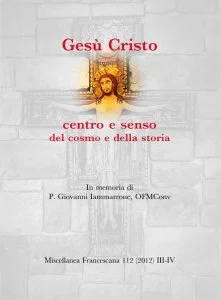
Sommario – L’Autore mostra, alla luce della teologia di Bonaventura, seguendo un itinerario cronologico attraverso le sue opere principali, come il legame teologalerealizzato in virtù della fede tra l’uomo e Cristo, coinvolga l’uomo in tuttele sue dimensioni, in particolare nell’intelletto e nell’affettività. Ora, il culmine diquesto itinerario è proprio l’affectus, l’unione d’amore tra il Creatore e la creatura,che si presenta in questo modo perfi no come il compimento dell’esperienza conoscitivaintellettuale, perché «ciò che l’intelletto non può comprendere è compresoe goduto tramite l’amore» (p. 374). In questo senso la vera sapienza è la sapientiacrucis, che è frutto della conformazione al Cristo crocifi sso propter nos homines,cioè dell’adesione totale del credente al suo Signore, mossa e attuata dallo Spiritosanto, di cui Francesco stigmatizzato è l’esempio eloquente, così come emergenella Legenda maior.
Summary – Having gone through the major works of St. Bonaventure in thechronological order in which they were written, the Author shows, in the light ofBonaventure’s theology, how the theological bond between man and God that isestablished by the virtue of faith involves every dimension of the human person,especially the intellect and affectivity. The culmination of this journey is preciselyaffectus, the union of love between the Creator and creature, which turns out inthis way even as the fulfi llment of the intellectual experience of knowing, since“what the intellect cannot comprehend is grasped and enjoyed by means of love”(p. 374). Accordingly, true wisdom is sapientia crucis, which is the fruit of conformingoneself to Christ crucifi ed propter nos homines, namely, the believer’stotal adherence to the Lord, which is set in motion and realized by the Holy Spirit.The eloquent example of this is St. Francis, as he emerges bearing the stigmata inthe Legenda maior.
Recensioni
Ancora non ci sono recensioni.