
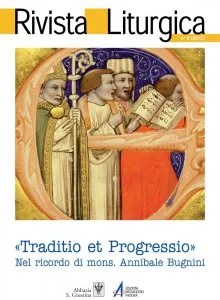
Descrizione
I libri liturgici medievali contenenti il Rito della dedicazione della chiesa e dell’altare includono il misterioso rito della deposizione nell’altare delle ostie consacrate insieme con le reliquie dei santi e con i grani dell’incenso. Questa usanza, iniziata probabilmente a Roma, si è diffusa in tutta l’Europa occidentale, arrivando rapidamente in Inghilterra. Lo stato degli studi non ci permette di dare una risposta unica sul motivo dell’introduzione di tale prassi. Nonostante questo, nel XX sec. alcuni hanno proposto delle ipotesi. L’autore ne prende in considerazione tre: la prima che spiega il motivo della nascita della depositio hostiae nella mancanza delle reliquie dei martiri (in tale caso le ostie sostituirebbero le reliquie); la seconda che mostra come il rito trovi radici nella prassi pagana di seppellire i morti con le monete per pagare il «viaggio» verso l’eternità; la terza ipotesi vede invece nel rito l’ultima tappa dell’iniziazione cristiana dell’altare. L’analisi permette di concludere che la terza ipotesi sembra la più ragionevole.
Medieval liturgical books, that contain the «Rite of church’s and altar’s dedication» include the mysterious rite of deposing on the altar some consecrated hosts together with saints relics and incense grains. This usage, that was probably initiated in Rom, has been spread in all the western Europe, and has arrived swiftly to Great Britain. The actual studies situation does not allow to give a unique answer to the reason for the introduction of this praxis. In spite of this, during the 20th century, some scholars have proposed some hypothesis. The A. takes three of them into his consideration: the first explains the reason of the depositio hostiae as due to the absence of martyrs relics (in this case the hosts replace the relics); the second shows how the rite finds its roots in the pagan praxis of deposing coins in the burial of the dead in order to pay the «journey» towards eternity; the third hypothesis, on the contrary, sees in this rite the last stage of the altar’s Christian initiation. The present analysis allows to conclude that the third hypothesis seems to be the most reasonable.
Recensioni
Ancora non ci sono recensioni.